


Afyalishe Wellness|Natures gift for a healthier you
You may have heard the words probiotics and prebiotics when talking about gut health.They sound similar,but they have very different roles.so,what exactly are probiotics and prebiotics -and why they are both important when it comes to supporting a healthy gut?
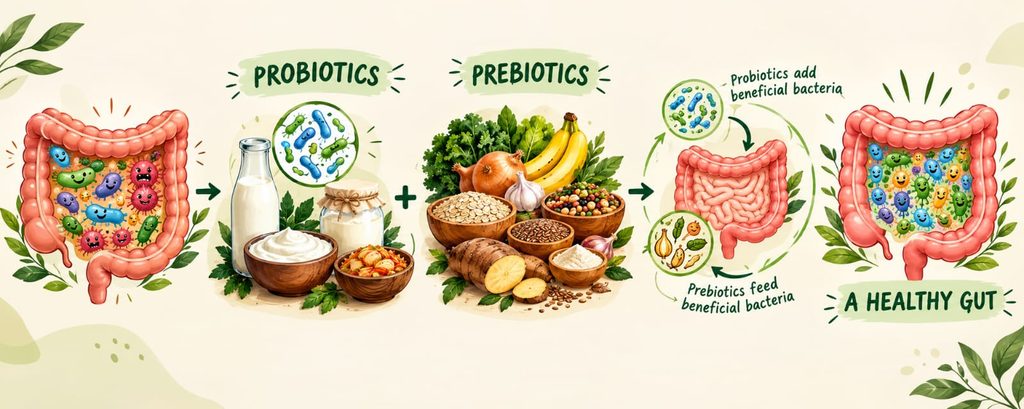
what are probiotics?
Probiotics are live microorganism that,when consumed in adequate amounts ,provide a health benefit.
Some microorganisms naturally live in our digestive system, while others can be consumed through certain fermented foods and specifically formulated probiotic products.
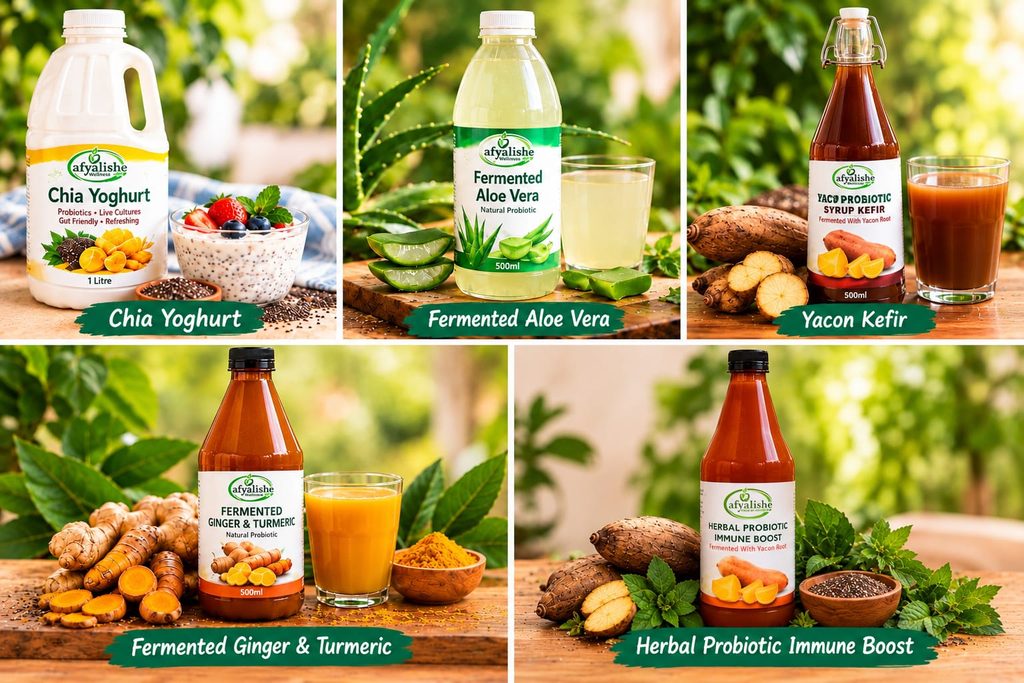
Examples of foods that may contain live microorganisms include certain types of:
.fermented aloe vera ,fermented yacon,fermented ginger and turmeric.
.Fermented milk products(chia yoghurt,kefir,mala)
.Fermented vegetables(saurkrat).Other fermented foods and beverages.
However, not every fermented food is automatically a probiotic food. The particular microorganisms, their quantity and their ability to remain alive through the product's shelf life all matter
.
How do probiotics fit into gut health?
Your digestive tract contains a complex community of microorganisms known as the gut microbiome.
The microorganisms in this community interact with each other and with the environment in your digestive tract. Diet is one of the factors that can influence this ecosystem.
Consuming appropriate probiotic foods or products can be one part of a diet that supports digestive and overall wellness.
What are prebiotics?
While probiotics are live microorganisms, prebiotics are substances that are selectively utilized by microorganisms in the body and provide a health benefit.
In simple terms:
Probiotics = beneficial microorganisms
Prebiotics = food for certain microorganisms
Many prebiotics are types of dietary fibre or carbohydrates that aren't fully digested in the upper digestive tract.
Examples include certain types of fibres and compounds such as fructooligosaccharides (FOS) and inulin.
Yacon:A natural source of prebiotic FOS.
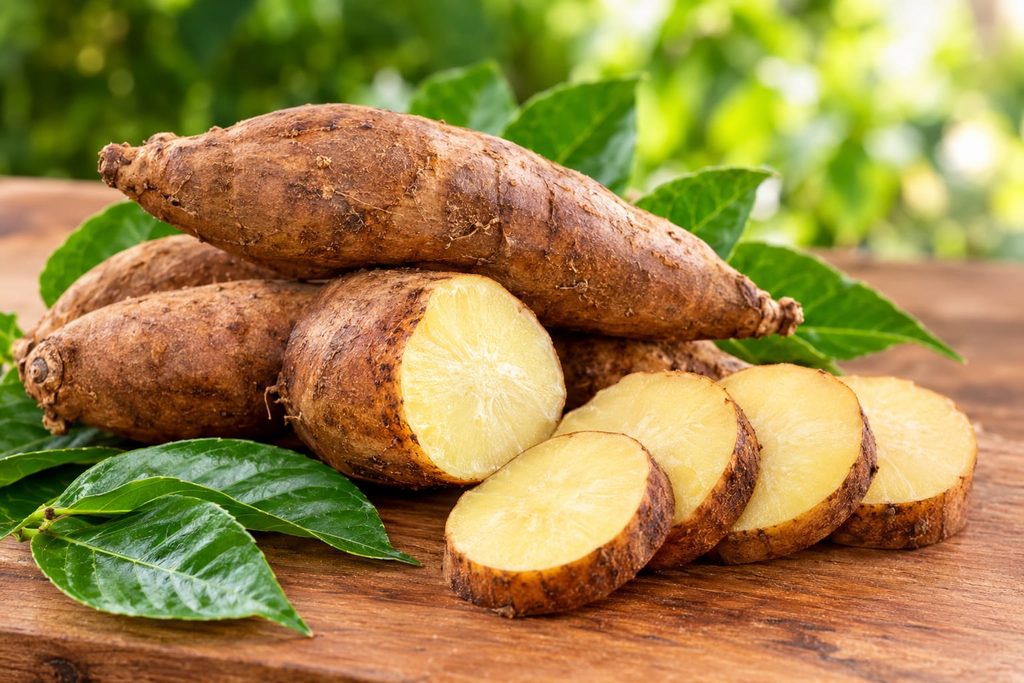
Yacon is particularly interesting from a prebiotic perspective.
The yacon root naturally contains fructooligosaccharides (FOS), which can reach the colon and be utilized by certain microorganisms.
This is one reason yacon has attracted attention as a prebiotic food ingredient.
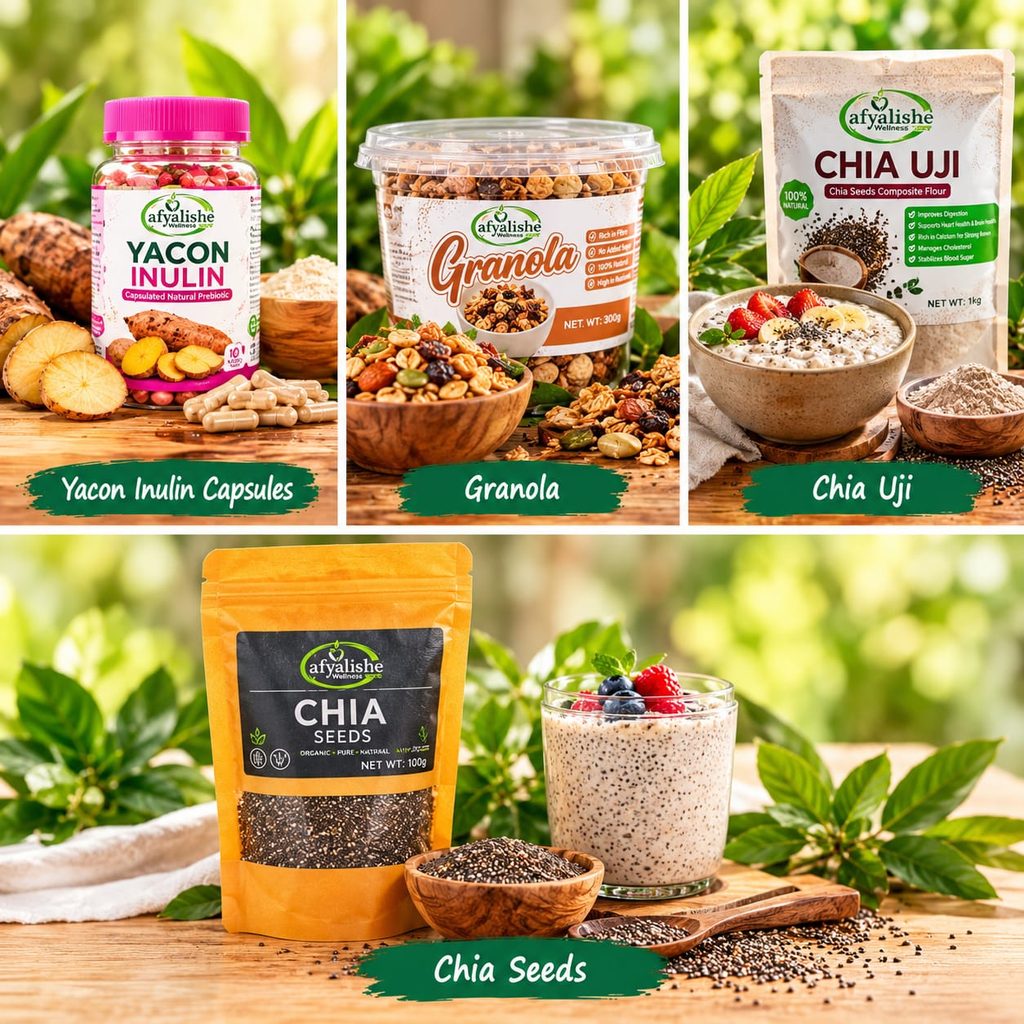
At Afyalishe Wellness, yacon is incorporated into some of our wellness products, including our fermented yacon beverage and yacon-based products.
Chia and prebiotic-friendly nutrition
Chia seeds are another valuable addition to a gut-conscious diet.
They are rich in dietary fibre, which contributes to normal digestive function.
When chia is combined with yoghurt, you get a convenient food containing both fibre from chia and, where the yoghurt contains live cultures, live microorganisms.
This is part of the thinking behind our Afyalishe probiotic chia yoghurt.
Why probiotics and prebiotics work well together;
Why probiotics and prebiotics work well together
Think of your gut microbiome as a garden.
Prebiotics are like nourishment for the garden.
Probiotics are microorganisms that can be introduced through appropriate foods or products.
The analogy isn't perfect—gut microorganisms are much more complex than a garden—but it helps explain why both concepts matter.
A diet that includes a variety of fibre-rich plant foods can help provide substrates for the microorganisms already living in your gut, while selected fermented foods can provide live microorganisms.
This combination is sometimes described as a synbiotic approach when probiotics and prebiotics are intentionally combined to produce a health benefit.
Where can you find prebiotics?
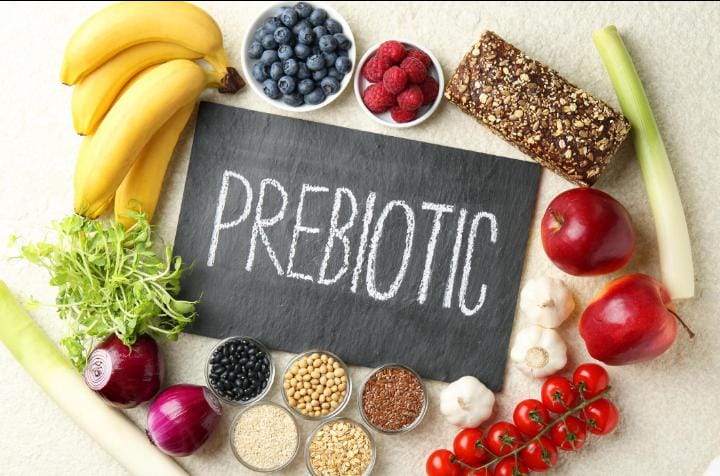
You don't need an expensive supplement to start eating more prebiotic-rich foods.
Prebiotic fibres and fermentable carbohydrates occur naturally in many plant foods, including:
Onions
Garlic
Leeks
Asparagus
Bananas
Legumes
Whole grains
Some fruits and vegetables
Yacon
Different foods contain different types and amounts of fibre, so variety is important.
Where can one find probiotics?
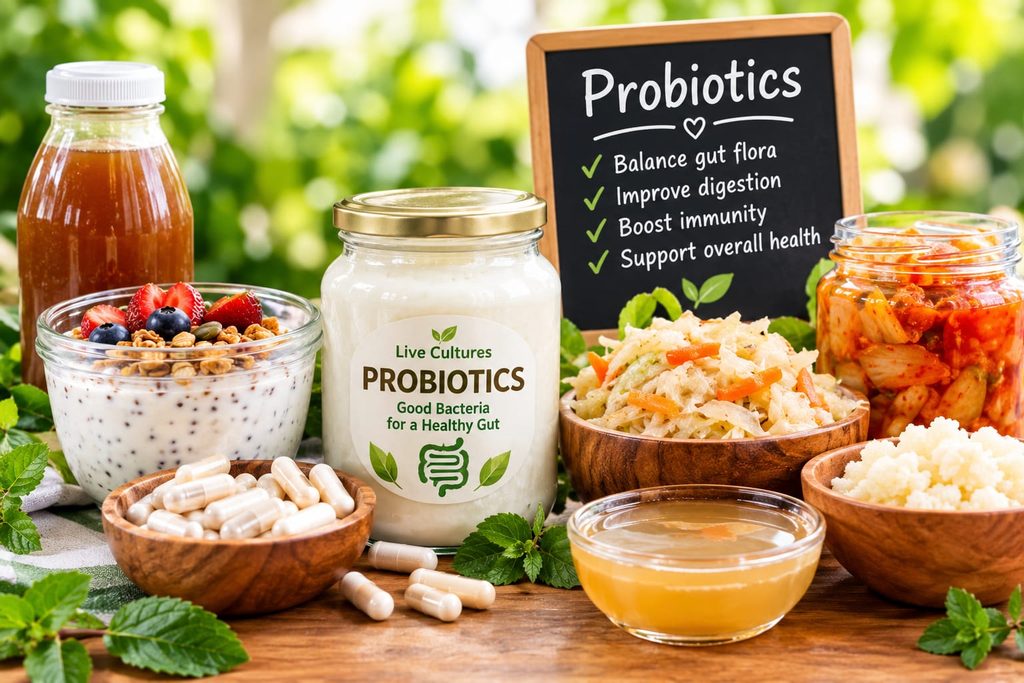
Probiotic microorganisms are found in selected fermented foods and specially formulated probiotic products.
Examples may include:
Yoghurt containing live cultures
Certain fermented milk products
Some fermented vegetables
Specifically formulated probiotic foods and beverages
Always check product information when you want to know whether a product contains particular live cultures.
How to support your gut naturally;
Supporting gut health doesn't have to be complicated.
Start with the basics:
- Eat more plant variety
Include different fruits, vegetables, legumes, whole grains, nuts and seeds. - Include fibre regularly
Gradually increasing dietary fibre can help support normal digestive function. - Include suitable fermented foods
Foods containing live cultures can be incorporated into a varied diet. - Stay hydrated
Water is important for normal digestion and overall health. - Choose variety rather than relying on one product
No single food can provide everything your body needs.
The Afyalishe Wellness approach
At Afyalishe Wellness, we believe that understanding what we eat and how it interacts with our bodies is an important part of making informed wellness choices.
Our products reflect this philosophy.
From probiotic chia yoghurt, which combines yoghurt and chia seeds, to fermented yacon, which incorporates a naturally FOS-containing root, we explore different ways of bringing nutritious plant ingredients and fermentation into everyday foods.
Remember:Probiotics are microorganisms.
Prebiotics provide substrates that certain microorganisms can use.
A varied, fibre-rich diet supports a healthy gut environment.
Your gut is part of your overall health—and nourishing it starts with everyday choices.
Afyalishe Wellness — Nature’s gift for a healthier you.
This article is for general nutrition education.